
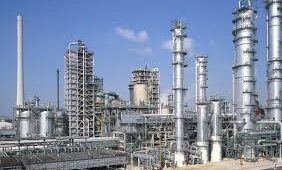
On April 7, Saudi Arabia’s largest industrial city, Al-Jubail, was targeted by a missile attack, damaging key petrochemical infrastructure, including Saudi Basic Industries Corporation (SABIC) facilities. The attack, seen as Iran’s retaliation for Israeli strikes on Iranian petrochemical sites, has caused global market ripples. In China, chemical stocks surged and chemical futures also posted sharp gains.
Key Takeaways
- Geopolitical Escalation: The missile attack on Al-Jubail, Saudi Arabia, represents an expansion of the Middle East conflict into strategic petrochemical infrastructure. Targeted facilities include Saudi Basic Industries Corporation (SABIC), a core industrial hub.
- Market Impact: Chinese chemical stocks rallied across the board and chemical futures experienced sharp gains.
- Supply Chain Disruption: Regional instability, compounded by production cuts in Japan and South Korea, lead to increased export inquiries for Chinese chemical products. Key products seeing demand growth include ethylene glycol, methanol, plastics, and polypropylene.
- Strategic Significance: Al-Jubail accounts for ~11.5% of Saudi GDP and 85% of non-oil exports. It hosts globally significant petrochemical capacity (~60 million tons/year, ~7% of global output) and major joint ventures.
- Retaliatory Dynamics: The strike is part of a tit-for-tat cycle, following Israeli attacks on Iranian petrochemical facilities linked to missile production, signaling growing risk to regional energy and chemical supply chains.
- Uncertainty Ahead: Damage assessment is ongoing. Immediate market reaction suggests elevated volatility, with potential medium-term implications for global chemical trade flows and strategic supply security.
Full Report
The Middle East conflict has escalated into the petrochemical sector, with Saudi Arabia’s largest industrial city, Al-Jubail, struck by a missile attack on April 7.
Reacting to the news, Chinese chemical stocks rallied sharply. In the A-share market, Nantong JiangTian Chemical (300927.SZ) jumped by the daily limit of 20%, while Guizhou Chitianhua (600227.SH), Sichuan Lutianhua (000912.SZ), HeBei Jinniu Chemical Industry (600722.SH), and Shaanxi Xinghua Chemistry (002109.SZ) reached their 10% daily trading limit.
“Recent disruptions in the Middle East have impacted the regional chemical supply chain,” said ICIS industry analyst Zhang Yu. “Combined with production cuts in Japan and South Korea, this has prompted customers across Southeast Asia, Northeast Asia, and Australia to increase inquiries for Chinese chemical products, leading to a substantial rise in domestic exports across most chemical categories.”
“Apart from refined oil and most fertilizers, which have temporarily suspended exports, shipments of other chemical products are all on the rise,” Zhang added.
On the same day, China’s major chemical futures surged sharply. The front-month ethylene glycol contract climbed by the daily limit of 10.99% to 5,706 yuan/ton; methanol surged 8.69% to 3,553 yuan/ton; plastics jumped 8.67% to 9,389 yuan/ton; polypropylene rose 7.44% to 9,865 yuan/ton; and styrene gained 2.66% to 10,669 yuan/ton.
The Saudi Ministry of Defense said on social media on the day that Saudi Arabia had intercepted and destroyed seven ballistic missiles fired toward the Eastern province; however, missile debris fell near energy facilities, and the extent of the damage is still being assessed.
This energy facility is located in Al-Jubail Industrial City. Iranian media Defapress reported on the day that an explosion occurred in Al-Jubail Industrial City, causing extensive damage, and Saudi Arabia’s largest petrochemical company, Saudi Basic Industries Corporation (SABIC), was the target of the missile attack.
This is a retaliatory action by Iran. On April 6, the Israel Defense Forces said on social media that they had attacked Iran’s largest petrochemical company that day to weaken Iran’s ability to produce key components for missile industries, as the company is responsible for producing and exporting chemical raw materials used in explosives. On April 7, the Israel Defense Forces again struck an important petrochemical plant in Shiraz, Iran.
Al-Jubail Industrial City is located in eastern Saudi Arabia. From the late 1970s to the early 1980s, it developed from a fishing village into a modern industrial city. SABIC established its early plants here and obtained technology through joint ventures, making Al-Jubail Industrial City the main site of SABIC’s industrial operations. SABIC was merged into Saudi Aramco (2222.SE), the world’s largest oil company, in June 2020.
Al-Jubail Industrial City is one of the core areas for Saudi petrochemical production and a globally important petrochemical production base. It hosts not only refineries and chemical plants but also fertilizer, steel, and aluminum production capacities. Public data shows that the city produces about 60 million tons of petrochemical products annually, accounting for about 7% of global production. The city contributes around 11.5% of Saudi Arabia’s GDP, 85% of non-oil exports, and attracts more than half of the country’s foreign direct investment.
Many international major companies have joint ventures here, including Sadara Chemical Complex, a joint project between Saudi Aramco and Dow Chemical Company (NYSE: DOW), and the SATORP refining project, a joint venture between Saudi Aramco and European company TotalEnergies (NYSE: TTE).
As of the time of reporting, SABIC and Saudi Aramco have not released statements regarding the attack.